Keep up to date on news of our vists, events, talks and meetings by following this blog.
You can also find details on our Programme page.
Dedicated to understanding and conserving Cambridgeshire's heritage landscapes
Keep up to date on news of our vists, events, talks and meetings by following this blog.
You can also find details on our Programme page.
Events that have featured on our News pages are archived below in reverse date order.
This event has now passed
In this historically rain-sodden country we have always been able to take water for granted. This is no longer the case and during this Study Day we hope to discover what water has offered in the past by way of economic development, landscape enhancement and recreational opportunities, together with what we have to look forward to. We are very fortunate to secure some excellent speakers to cover fascinating aspects of water management in the past, present and future.
Outline Programme
A pdf of the printed programme with timings can be downloaded here.
 | Prof. Susan Oosthuizen is Emeritus Professor of Medieval Archaeology in the University of Cambridge, an Emeritus Fellow of Wolfson College, Cambridge, and a Fellow of both the Society of Antiquaries and of the Royal Historical Society. Sue, who is also a CGT Patron, will both open the Study Day and present Pre-drainage water management in the Cambridgeshire peat fens. Abstract: Sue’s talk discusses engineered water management before drainage in the peat fens and its essential contribution to ensuring the sustainability of the wetland grasses and other products that underpinned the region’s wealth. It moves on to the application of a well-known and widespread technology that was utilised from prehistory into the 19C in everything from salt springs to settlements and gardens. |
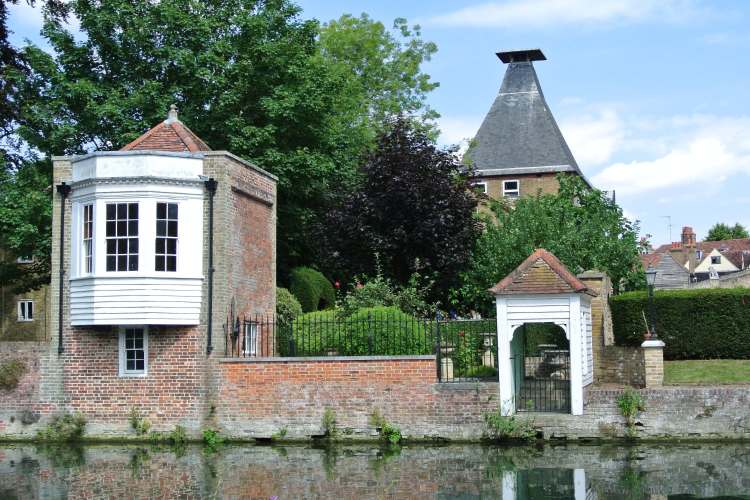
 | CGT member, Bridget Flanagan, is a tenacious history researcher with a focus on the social history of Huntingdonshire and the influence of the unique Great Ouse Valley landscape. A Trustee of the Great Ouse Valley Trust, which seeks National Landscape designation for the area, Bridget’s most recent book was co-authored with Keith Grimwade, The Watermills and Landscape of the River Great Ouse in Cambridgeshire. Abstract: Bridget’s talk, Watching the world go by: 18C gazebos overlooking the wealth of river-borne trade, traces the origins of an early 18C riverside gazebo, built by a merchant of St Ives. Many similar examples may be found along East Anglian and national waterways. These gazebos seem to relate neither to the garden, nor to landscape views; they functioned specifically as places to watch the passage of trade on the then rapidly expanding system of navigable rivers. |
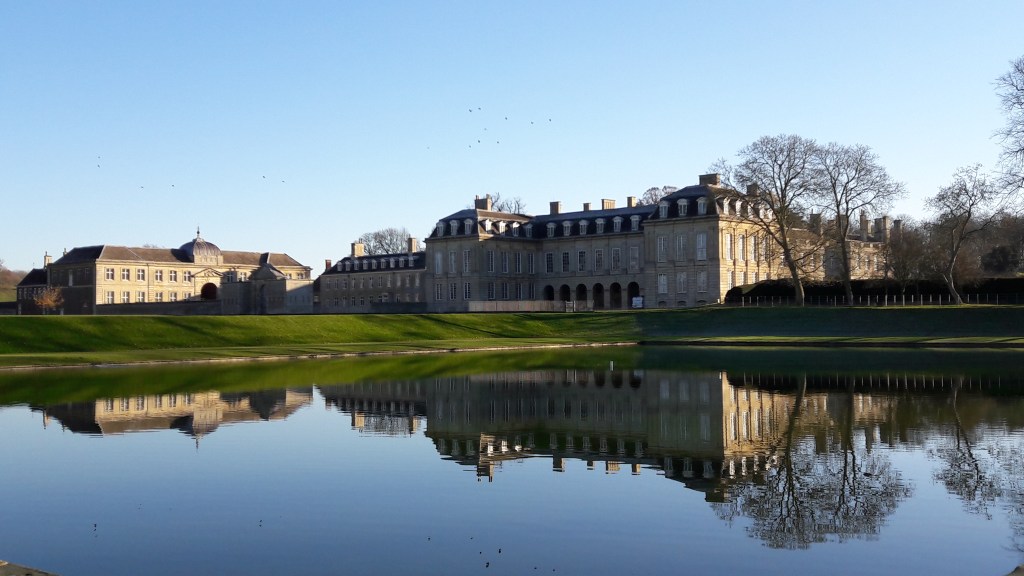
 | Lance Goffort is Managing Director at Heritage Elements Ltd and acts as a heritage landscape advisor, a project director, and a specialist in the restoration of landscapes, waterscapes, estate infrastructure and trees. Currently working in Scotland, Wales, and overseas on major projects, this year he celebrates 40 years of working in the industry with great teams and experts on amazing projects include glasshouses and gardens at Birmingham Botanical Garden. Abstract:In his talk, Boughton Watescapes and Beyond, Lance will set out the background to the Boughton landscape covering the early stages of re-imagining the historic waterscape and the following 15 years of restoration and re-creation at Boughton. He will cover water management, naturalisation, his wider projects and the future. |
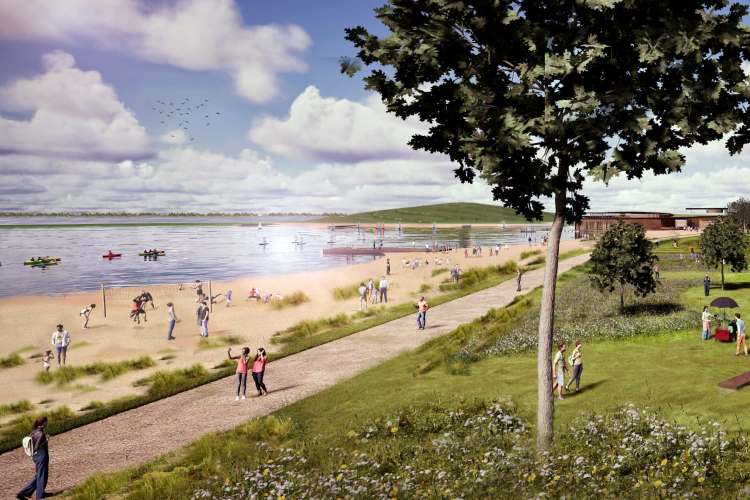
 | Stuart Holmes is the landscape lead within the LDA Design & Fereday Pollard Fens Reservoir Masterplanning team, developing the Fens Reservoir masterplan. Stuart has contributed to several Cambs projects including a masterplan for Peterborough Station Quarter, the Peterborough City Centre public realm strategy and landscaping for King’s College Cranmer Road campus. Abstract: Stuart’s interest in boating ties neatly with his talk about the new reservoir proposed by Anglia Water near Chatteris: The vision for the Fens Reservoir – an exciting destination where people, nature and water come together. Stuart will cover the reservoir’s setting and outline its characteristics. The design proposals aim to ensure that the Fens reservoir is integrated into the landscape as an accessible, valued public space, while improving health, wellbeing, and local economic prospects. |
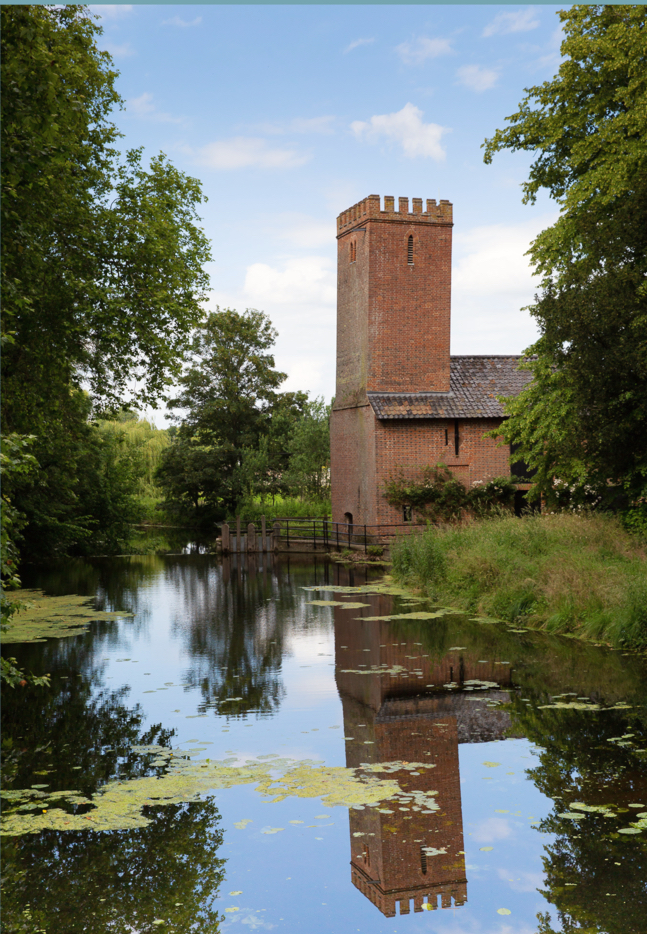 | Sadly no longer with us, Steve Temple was an extraordinarily gifted inventor with a passion for finding out how things worked and an armful of patents dealing with the hydraulics of inkjets. Over the course of 25 years, Pippa re-designed their garden at Impington Mill while Steve restored the mill to full working order and headed the Mill Section for the Society for the Protection of Ancient Buildings. CGT members were treated to a wonderful tour of the Mill gardens in April 2025. Abstract: Steve and Pippa gave us a talk, recorded during covid, of their visit to Euston Hall in April 2021 where Steve uncovered some historical mysteries regarding the Hall’s water tower and pumping system. We will close the day with a replay of their talk, From one great plague to another – the history of the superb Euston Hall garden, focusing on the Hall’s water features and hydraulics. |
Members of CGT, a county gardens trust, The Gardens Trust or Plant Heritage £40, non-members £45, to include refreshments and a buffet lunch
For the time being, our preferred method of booking is by BACS transfer to our new bank account in the name of Cambridgeshire Gardens Trust (sort code 30-99-50, account number 80635768) using your name as reference; please confirm payment by email to admin. Cheques, payable to Cambridgeshire Gardens Trust, may be sent to Judith Christie, Teal Cottage, Fen Drayton CB24 4SH. To assist catering, please book by Friday 7 March.
Events that have featured on our News pages are archived below in reverse date order.
Saturday 15 November 2025
Hilton Village Hall, Grove End, Hilton PE28 9PF
This event has now passed
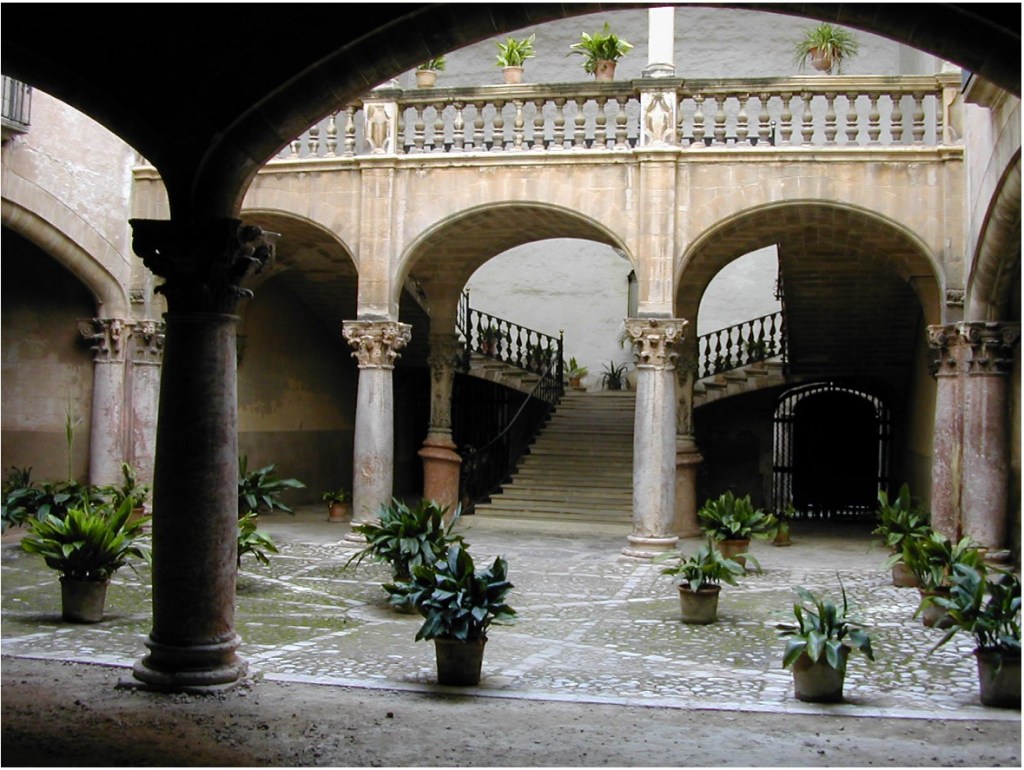
Title Is there nothing new under the sun?
Abstract Liz Lake will show how the key characteristics of historic landscapes are reinterpreted in contemporary landscape design.
Our Speaker Dr Liz Lake has studied, practised and taught landscape architecture for over 55 years. For many years she worked with John Phibbs of the Debois Landscape Survey Group, on public and private historic parks. She is currently the chair of The Friends of Bridge End Gardens at Saffron Walden.
Location Village Hall, Grove End, Hilton PE28 9PF. Click here for Google map directions, or download directions here. Parking is available outside the Village Hall. The hall will open from 11:00am and the AGM will start at 11:30am. The Lecture will begin at approximately 12:00noon and will be followed by a light lunch.
This live talk is open to members of Cambridgeshire Gardens Trust and guests. It will follow the CGT AGM, and a buffet lunch will be available after the talk. The AGM is free to attend; the lunch and talk are £13 for both members and guests, payable by BACS to our new account in the name of Cambridgeshire Gardens Trust (sort code 30-99-50, account number 80635768 using your name as reference), or by cheque, or at the door. Please book or email admin by 8 November for catering.
Thursday 16 October 2025
The Gibberd Garden, Marsh Lane, Harlow, CM17 0NA
This event has now passed
The man: knighted in 1967, Sir Frederick Gibberd was an architect, town planner and landscape architect, with a distinguished project record that included Liverpool Catholic Cathedral, Heathrow Airport terminals 1, 2 and 3, the Central Mosque in Regents Park and the buildings for three power stations (Hinkley Point, Didcot and Sizewell A). He also landscaped three reservoirs, including Kielder. A number of his buildings are listed.
In 1946 he was appointed master-planner for Harlow New Town and his original plan for the town is regarded by many as his greatest achievement.
Passionate about art, he accumulated a fine collection of modern British watercolours and drawings. During his lifetime he donated over forty works to Harlow Council and these are displayed in the Gibberd Gallery in the town centre.
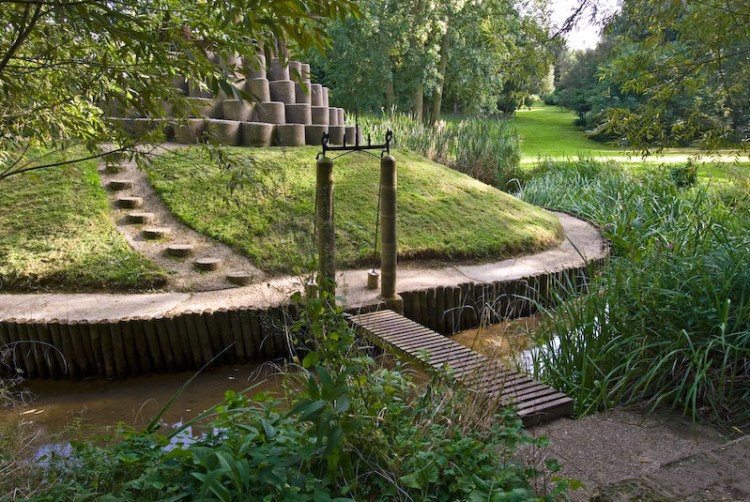
The garden: developed between 1957-1984, the Grade II-listed garden is considered to be one of the most important 20C gardens in the country. The garden occupies 9 acres of a 14-acre site on the side of a small valley, sloping down to the Pincey Brook. It is full of sculptures and what Sir Frederick called ‘decorative objects’, including ceramic pots and items of architectural salvage. It has lawns, pools, streams and glades, a dramatic mature lime avenue, a brookside walk, a wild garden, an arboretum and a moated castle with a drawbridge.
Time: meet in the carpark at 10:20am prior to coffee/tea and biscuits in the house at 10:30am.
Logistics: the Gibberd Garden is easily accessed from the M11 on to the A1025 at junction 7A. Map directions from your starting point can be found here. Note that there is no right-hand turn into Marsh Lane from the M11 direction; instead, continue 350m to the next roundabout and return on the A1025 to turn left into Marsh Lane.
Other points of interest, though not included in our visit, are the Gibberd Gallery in town, which houses Sir Frederick Gifford Water Colour Collection, and the Harlow Sculpture Town Map and Guide, a printed map (available from the Gibberd Garden) featuring three sculpture trails which can be followed on foot. Further afield is the Henry Moore Studios and Gardens, 8.3 miles away at Perry Green, Much Hadham SG10 6EE (online booking required).
Bookings: £15 for members of CGT and the Plant Heritage Group, £17 for guests, by BACS transfer to our new bank account in the name of Cambridgeshire Gardens Trust (sort code 30-99-50, account number 80635768) using ‘Gibberd’ and your name as reference; please confirm payment by email to admin. Cheques, payable to Cambridgeshire Gardens Trust, may be sent to Judith Christie, Teal Cottage, Fen Drayton CB24 4SH. Booking deadline 12 October for catering.
We look forward to seeing you there!

Tuesday 5 August 2025 at King’s College and Corpus Christi, Leckhampton
Visits start at 11:00am and 2:30pm
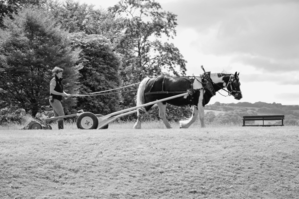
The visits: After our 2024 Christmas Lecture, Steve Coghill, Kings College Head Gardener, kindly offered to show us the college gardens in the summer. He has proposed 5th August for the visit, as there will be a team of heavy horses cutting the wild-flower meadow in front of King’s iconic Chapel. We meet at the Porters Lodge on King’s Parade at 11:00am.
Following a self-organised lunch (suggestions below), we re-convene at 2:30pm at the Corpus Christi carpark near Leckhampton, where Corpus Head Gardener Andy Pullin, who guided us around the plantings at the main college site in 2024, will show us the gardens at Leckhampton. There is a very useful account of the history and development of Leckhampton by John Drake and Charles Malyon in the September 2005 Newsletter, issue 19, which can be downloaded by clicking here. It will be fascinating to see the changes over the 20 years since the article.
Times: 11:00am – meet at King’s College Porter’s Lodge on Trumpington Street.
2:30pm – meet at the Corpus Christi carpark near Leckhampton (exact location to be advised).
Logistics: Andy Pullin has kindly offered to open from 10:30am the Leckhampton carpark (exact location to be advised to those who have booked), where there is space for about 10-12 cars. This may be useful for anyone willing to get to King’s on foot (about 1 mile) or by bus (U1 from Selwyn College stop or U2 from West Road stop both serve the Pembroke Street stop, and then walk to King’s). As at 21 July, we have many more bookings than space available so please consider using Madingley Park & Ride (alight at Bridge Street) or Trumpington Park and Ride (alight at Fitzwilliam Museum).
To get to Leckhampton from King’s College, it is about 1 mile on foot. Otherwise catch the U2 bus from Pembroke Street to West Road, or the U1 bus from Silver Street to Selwyn. For U1 and U2 maps, click here.
Lunch: is self-organised: we can suggest either bringing your own, or dropping into Newnham or Robinson College cafeterias, or finding food places around the Mill Pond.
Bookings: CGT and Plant Heritage Group members £10, guests £12, by BACS transfer to our new bank account in the name of Cambridgeshire Gardens Trust (sort code 30-99-50, account number 80635768) using ‘Kings’ and your name as reference; please confirm payment by email to admin. Cheques, payable to Cambridgeshire Gardens Trust, may be sent to Judith Christie, Teal Cottage, Fen Drayton CB24 4SH. Please note that the event is now fully subscribed: further bookings will go onto a waiting list in case of cancellations.
We look forward to seeing you there!
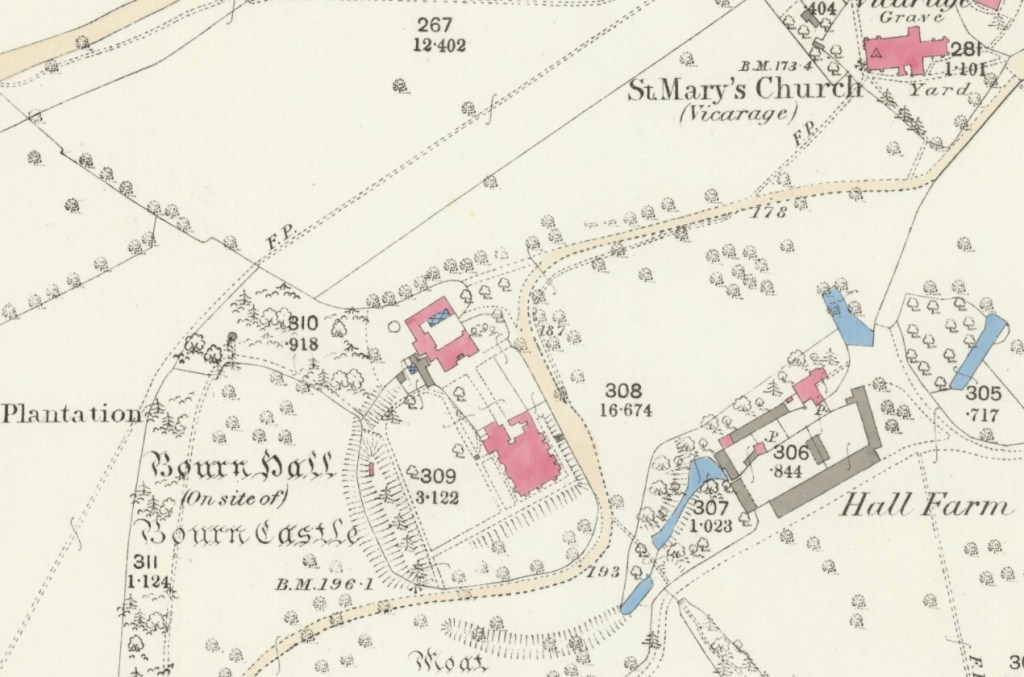
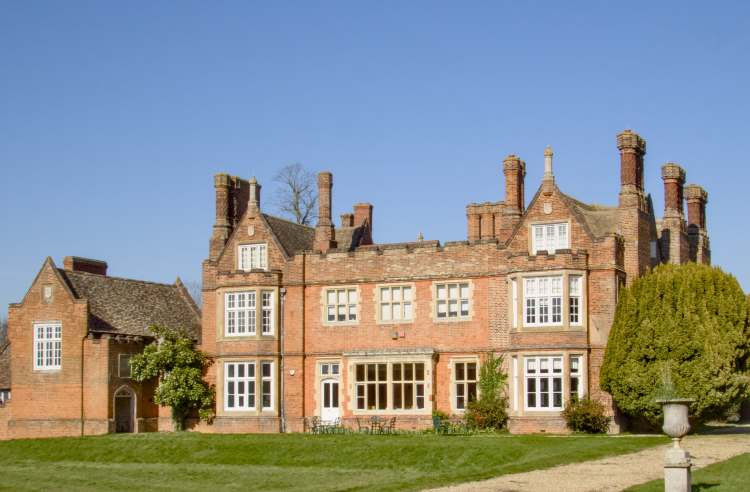
Our Study Day offers a rare opportunity to visit the relatively little-researched Grade II* Bourn Hall, now an IVF clinic, and its Grade II park, whose histories we hope to tease out with a programme of talks and a guided walk of the grounds. We are sure you will enjoy lively discussion with our eminent speakers and relax over a light lunch with speakers, members and guests. If you would like to take part in the guided walk, please bring shoes suitable for rough meadows.
Outline Programme
 | Liz Whittle, the current CGT Chair, is a garden historian specialising in the Tudor and Stuart periods, both in UK and the continent. Liz will be our Study Day Chairman and will host the group discussion at the end of the day. |
 | Dr Kay Elder joined Bourn Hall in 1984 as Clinical Assistant to Patrick Steptoe, becoming a senior embryologist in the IVF lab in 1987. Kay has become the archivist for the hall and its grounds, and will lead us through a timeline of the hall’s owners as well as the current owners’ impact on the world of IVF. |
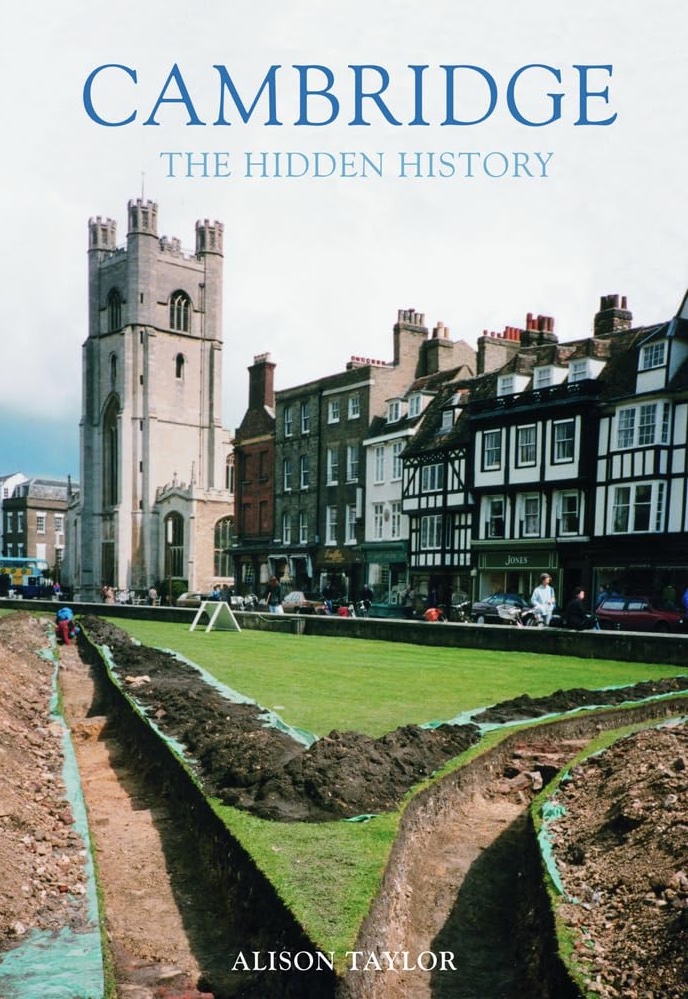 | Alison Taylor is a Fellow of the Society of Antiquaries, Member of the Institute of Field Archaeologists and one-time editor of the Proceedings of Cambridge Antiquarian Society. The Cambridgeshire County Archaeologist for 21 years, Alison will recount her rediscovery of the the Relhan Collection and its connection to Bourn Hall. |
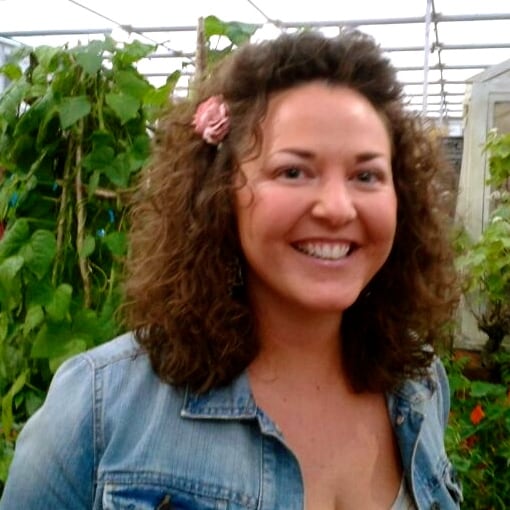 | Dr Laura Mayer is a lecturer, writer and researcher with an MA in Garden History and a PhD in 18C patronage. Originally an art historian, she fell into garden history whilst working at the Alhambra. Laura has published on Brown, Repton and the county’s historic gardens, and she will assess the context and impact of the Reptons at Bourn. |
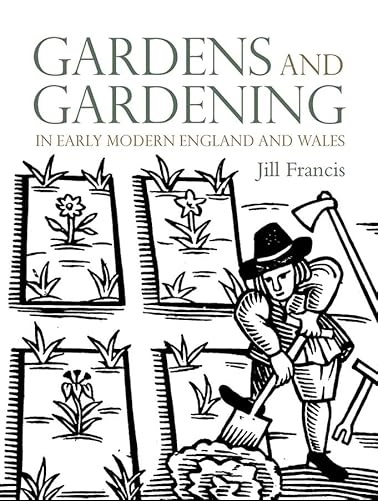 | Dr Jill Francis is an early modern historian, specialising in gardens of the Elizabethan and Stuart period. She is currently engaged as a lecturer and a volunteer for the Gardens Trust in delivering their programme of weekly on-line talks. Jill will examine the evidence for a Jacobean garden at Bourn Hall and how it might have looked. |
 | Angus Wainwright, has been with the National Trust for more than 30 years and is currently their East of England archaeologist. A speaker at our 2023 Study Day, Angus will lead us this time over the humps and bumps in the Bourn Hall turf, helping us to reimagine its possible former garden structures. |
Members £35, non-members £40, to include refreshments and a light lunch
For the time being, our preferred method of booking is by BACS transfer to our new bank account in the name of Cambridgeshire Gardens Trust (sort code 30-99-50, account number 80635768) using your name as reference; please confirm payment by email to admin. Cheques, payable to Cambridgeshire Gardens Trust, may be sent to Judith Christie, Teal Cottage, Fen Drayton CB24 4SH. To assist catering, please book by Tuesday 24 June.
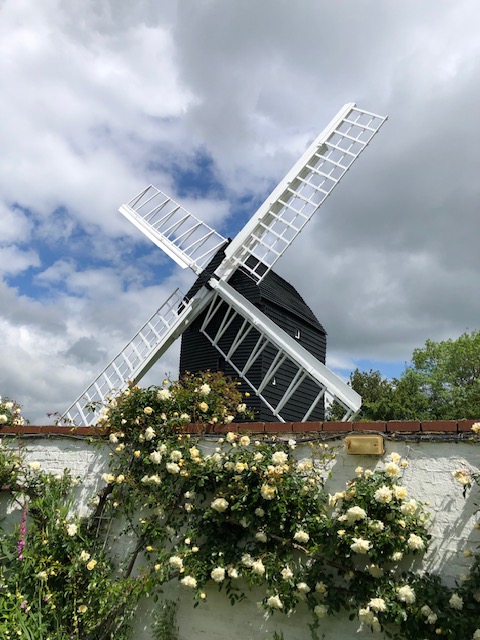
Thursday 19 June 2025 at The Mill Cottage, Caxton Road, Bourn CB23 2SU
This event has now passed.
Kate Armstrong writes: we took over the garden of around an acre of established shrubs and herbaceous borders, set in lawns. Over time, we enlarged and extended the beds introducing interesting plants from our travels around the country. It has had several replantings, using established shrubs as framework. More recently, the replanting has been led by Rovena Postol, an experienced horticulturalist and garden designer. Rovena says: ‘We work on sustainable planting schemes that offer year-round visual interest, choosing plants that need less water, attract pollinators, and provide winter seedheads for birds, along with leaves and stems that serve as shelter. All of this is done while honouring the local character of the area and maximizing visual appeal.’ The borders have been planted with grasses mixed with plants that have more natural structure, such as fennel, Verbena bonariensis, Echinacea purpurea, Cephalaria gigantea and Echinops ritro, which reflect the meadows surrounding the garden.
Well established trees include a majestic weeping willow near the alluvial pond, ornamental red leaved cherry (Prunus cerasifera), silver birch and a pretty ornamental pear (Pyrus salicifolia ‘Pendula’). They say that, ‘with every mill there is an apple orchard’ and this is true of our garden, where the miller probably planted apple trees whose wood could replace applewood cogs that wore out frequently when the mill was in use. The age of the trees is not known.
The smaller borders that wrap around the cottage and barns have been planted to withstand particular challenges including rainwater runoff, drought and occasionally limited soil depth so the selection combines traditional cottage garden plants with a more Mediterranean feel in places. The natural alluvial pond has wild wetland flowers that give resident water birds nest-making materials and some protective cover for the young chicks and ducklings. The small island in the pond has been planted in a similar vein, though it is a drier habitat and the plants reflect this. This also encourages insects, such as dragonflies, mayflies and midges, and therefore attracts a variety of bats which visit the gardens in summer evenings. An established colony of invertebrates, amphibians, reptiles and rodents, some more welcome than others, in turn brings foxes, badgers, owls and other raptors. Don’t miss the ancient white rose, trained along the boundary wall by Kate (see photo) and other fragrant and colourful climbers!
Time: meet at 2:00pm for a cold drink on arrival.
Logistics: parking in the front field, via the private drive. Parking for those less mobile is available nearer the mill and cottage gardens. Following the drink, we break into groups for tours of the garden, led by Rovena Postol and Kate, and the windmill, led by volunteer guides. Mill tours will take place in groups of 7 at a time, so numbers will be limited to 35. Note that there are steep steps in the mill. Afterwards, an afternoon tea of sandwiches, scones with clotted cream and jam, and home-made cakes will be served in the gardens. The event will end at 4.30p.m.
Bookings: CGT and Plant Heritage Group members £12, guests £14, by BACS transfer to our new bank account in the name of Cambridgeshire Gardens Trust (sort code 30-99-50, account number 80635768) using ‘Bourn’ and your name as reference; please confirm payment by email to admin. Cheques, payable to Cambridgeshire Gardens Trust, may be sent to Judith Christie, Teal Cottage, Fen Drayton CB24 4SH..
We look forward to seeing you there!

Wednesday 21 May 2025 at Holywell, Stamford PE9 4DT
This event has now passed.
The gardens: Holywell Hall park and gardens (of about 36 ha) were laid out in the 1760s within a shallow, secluded valley in a landscape style, complementing the Grade II* house. Horticultural records for the estate cover about 70 years from 1760 and include maps and lists of plants acquired. The HE listing describes the key elements of the site: a sinuous drive winding through the parkland interspersed with specimen trees, the serpentine lakes, the walled garden, and elegant stone garden buildings in the neo-Classical style. The garden buildings include a fishing temple and an orangery. A ‘holy well’ still exists, adjacent to St Wilfred’s church, close to the lakes. There are extensive ornamental gardens near the house and within the substantial walled garden there is planting in a contemporary style, with a cascading water feature, a kitchen garden and 19C glasshouses, holding an impressive range of citruses and tender plants. New elements by subsequent owners have enhanced both the formal design and planting near the house, with new features such as a Japanese-inspired garden, wildflower meadows and Spring planting on the islands in the lakes, and many new trees.
Time: meet at 2:00pm.
Logistics: Holywell Hall is six miles north of Stamford and about 15 minutes’ drive from the A1. Entrance is via the main gates, along the driveway and up to the house where you will be directed to a parking area. See what3words for location information and map directions can be found here.
We are very fortunate to have an introductory talk by Steffie Shields, vice-Chairman of Lincolnshire Gardens Trust, who specialises in 18C landscape design. Holywell’s Head Gardener will also be on hand to talk about the garden today, then visitors are encouraged to explore the gardens and park with its range of historic garden buildings. Our visit will end with afternoon tea which will be served from 4.00pm – on the terrace if the weather is good, otherwise under cover.
If you want to combine a morning visit to make a whole day out, then Clipsham Yew Tree Avenue is only 10 minutes’ drive away and is free to visit. The Avenue of 150 clipped yew trees was first created 200 years ago and extends for 500 yards, lining the drive to the Grade II* Clipsham Hall. From 1870 the trees were topiarised into shapes depicting animals, birds, and contemporary events. The site is leased to the Forestry Commission but there have been insufficient funds to maintain the avenue and from 2018 its restoration has been undertaken by the Clipsham Yew Tree Avenue Trust; the first re-clipping of the trees took place in 2019. The Trust also funds new picnic benches and generally maintains the site for future generations. https://yewtreeavenue.co.uk/history/
Bookings: £18 for members of CGT and the Plant Heritage Group, £20 for guests, by BACS transfer to our new bank account in the name of Cambridgeshire Gardens Trust (sort code 30-99-50, account number 80635768) using ‘Holywell’ and your name as reference; please confirm payment by email to admin. Cheques, payable to Cambridgeshire Gardens Trust, may be sent to Judith Christie, Teal Cottage, Fen Drayton CB24 4SH. Booking has now closed.
We look forward to seeing you there!
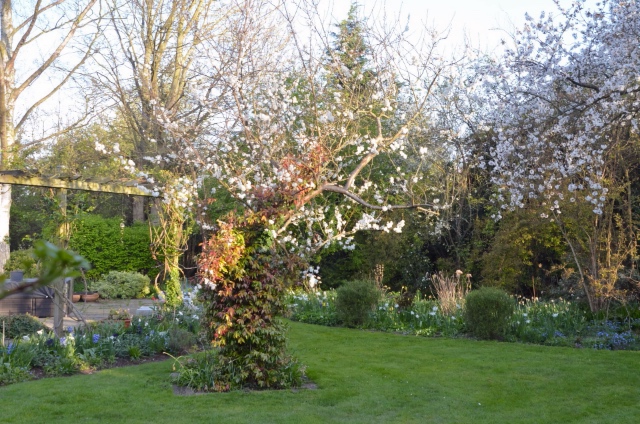
Monday 7 April 2025 at 10, Cambridge Road, Impington CB24 9NU
This event has now passed.
Pippa writes: we took on the garden 25 years ago, and discovered in the first year that one third of was impenetrable; that the windmill had five firm rules concerning the layout of the garden; that over 40 trees were in the process of falling down, (a touch of a thumb was all that was needed to fell a 30 ft larch on our first day), and that the most floriferous plant was cow parsley! But soon we discovered some pro’s – including beautifully draining soil, a neutral to slightly alkaline soil, which fitted my favourite plants, and, somewhere underground, a water source. Twenty-five years on, we have replaced a large number of trees, planted nigh on 50,000 bulbs, created two water features, and developed a 4-year programme for bringing each area of garden back to life. Much inspired by Coton Manor, the overall aim is to create a natural look, where paths lead you down to different areas of planting – a smouldering bed, a white bed, a winter garden, to name but a few. Three pergolas lead you from one aspect of the garden to another, and 3 seating areas, one for coffee, one for meals and one for evening drinks, soothe the aching muscles.
There are now only two areas be be worked on. One will be a stumpery, and another an Anglo-Japanese water garden – another opportunity to indulge my love of growing plants as are the 82 pots I am planning to fill. To this end I have a greenhouse and potting shed close to the house, and at the bottom of the garden the most original compost heap in Cambridgeshire, designed by my inventor husband, Steve! It might sound like a lot of work, but it is a task we voluntarily took on, and never regretted. We live in a growing village very close to the A14 and Cambridge, but as we turn into the drive, the overwhelming sensation we enjoy is that of peace and tranquility.
Time: meet at 10:30am for coffee and biscuits on arrival.
Logistics: the entrance is on the straight side of a crescent and parking is available on both sides of the road, both on the straight side and all around the crescent as well. Limited mobility visitors are welcome to park in the drive. Tours will take place in groups of 6-7, guided by Pippa’s expert volunteers.
Bookings (now closed): £12 for members of CGT and the Plant Heritage Group, £14 for guests, by BACS transfer to our new bank account in the name of Cambridgeshire Gardens Trust (sort code 30-99-50, account number 80635768) using ‘Temple’ and your name as reference; please confirm payment by email to admin. Cheques, payable to Cambridgeshire Gardens Trust, may be sent to Judith Christie, Teal Cottage, Fen Drayton CB24 4SH. Please book by 31 March so that we have numbers for catering and tour guides.
We look forward to seeing you there!

 Cambridgeshire Gardens Trust